|
06/16/25 -
University of New Hampshire Dean's List |
06/06/25 -
Study Shows Corals Can't Escape Warming Water But Urgent Action Could Protect Them |
|
05/15/25 -
New Survey Reveals NH Businesses Lagging in Lactation Support Ahead of 2025 Law |
05/14/25 -
UNH Donates Locally Grown Fish to Gather Food Pantry to Help Feed Seacoast |
|
05/14/25 -
Lazy Lawn Mowers Rejoice, Mowing Less May Be a Good Thing |
05/06/25 -
Shoals Marine Laboratory Offers Mom a Memorable Island Garden Adventure |
|
04/15/25 -
Ten Ways UNH is Helping Communities be Environmentally Friendly |
03/27/25 -
Research Finds Rural Americans Carry Heavy Burden Accessing Social Security Benefits and Information |
|
03/25/25 -
UNH Announces 2025 Commencement Speakers and Honorary Degree Recipients |
03/17/25 -
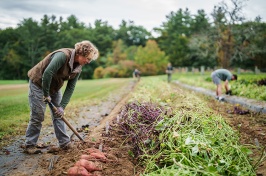
NH Statewide Food Alliance Reveals First-of-its-Kind Food and Agriculture Strategic Plan |
|
03/12/25 -
UNH Research Shows Nerve Cells Move Backward to Reposition Contributing to Brain Evolution |
02/19/25 -
UNH Research Team Finds Concentrated PFAS in Watershed Foams |